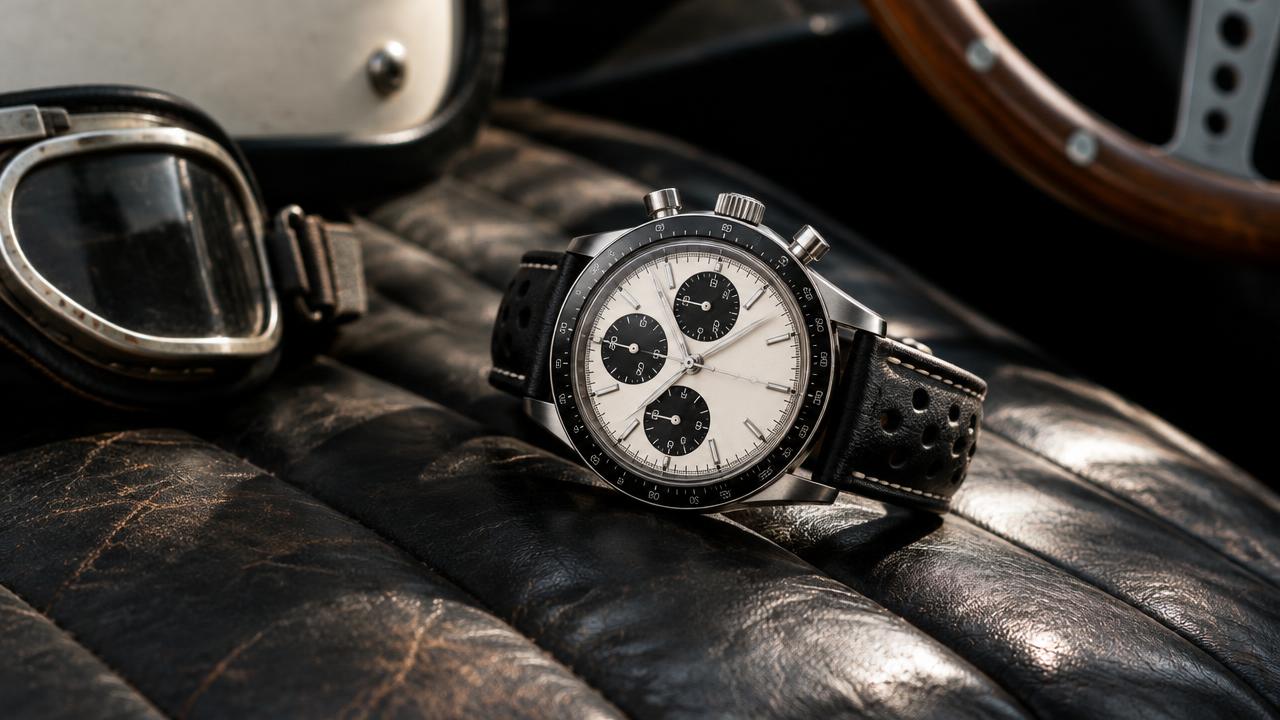
A chronograph watch is a timepiece that combines regular timekeeping with a built-in stopwatch function. Unlike a standard watch that only displays the time, a chronograph allows you to measure elapsed time intervals (seconds, minutes, hours) while still showing the current time.
In 2026, chronographs remain one of the most popular and versatile watch complications, found in everything from $165 quartz models to $50,000+ luxury pieces like the Rolex Daytona and Omega Speedmaster. This guide explains what a chronograph is, how it works, the different types, top models in 2026, and how to choose the right one for your needs and budget.
1. What Exactly is a Chronograph Watch?
A chronograph is essentially a stopwatch combined with a standard watch.
Core Functions
- Timekeeping: Displays hours, minutes, and seconds like a regular watch.
- Stopwatch (Chronograph): Measures elapsed time intervals using a central seconds hand and sub-dials for minutes and hours.
- Pushers: Buttons (usually at 2 and 4 o'clock) to start, stop, and reset the chronograph function.
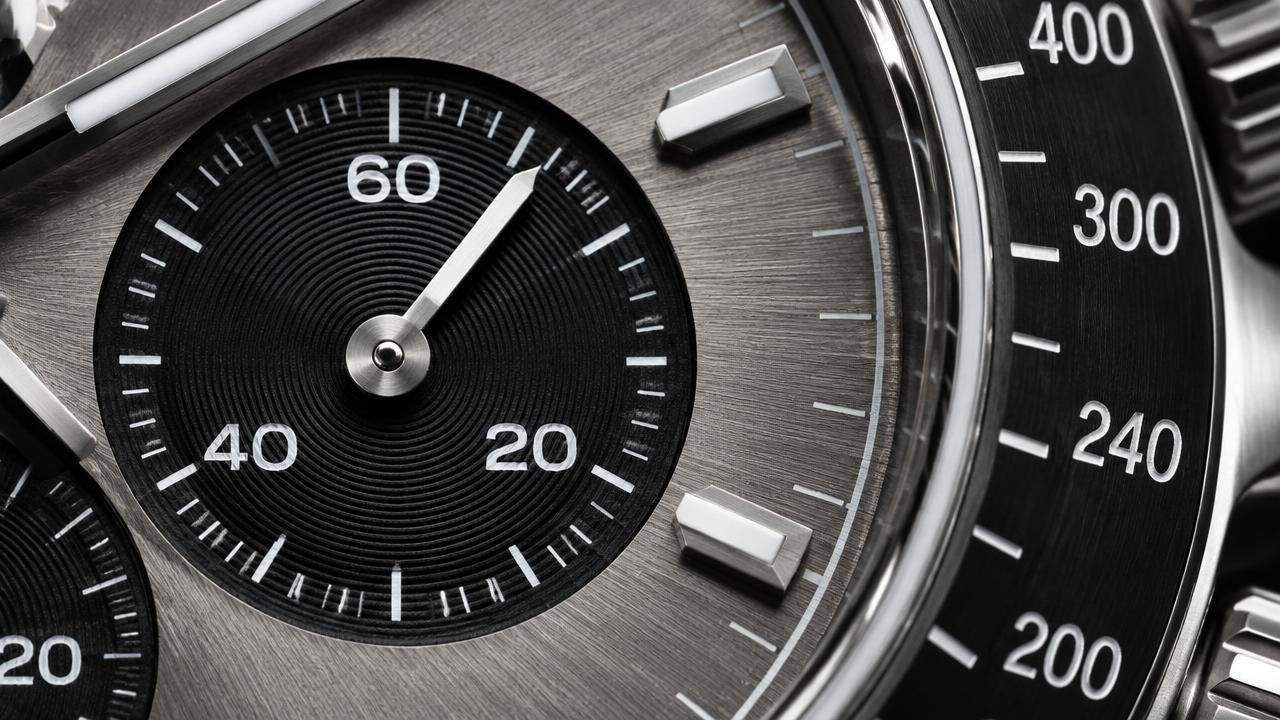
- Sub-dials: Small dials on the main dial that track elapsed minutes (30 or 60), hours (up to 12), and sometimes running seconds.
📌 Key Difference: A chronograph is a function (stopwatch), while a chronometer is a certification (accuracy standard). A watch can be both, one, or neither.
2. How Does a Chronograph Work?
A chronograph works by using a separate gear train and set of hands to measure elapsed time, independent of the main timekeeping function.
Key Components
| Component | Function |
|---|---|
| Central Chronograph Hand | Large seconds hand on the main dial that starts/stops with the pushers. It remains at 12 o'clock when the chronograph is not in use. |
| Sub-dials (Registers) | Small dials that track elapsed minutes (30 or 60), hours (up to 12), and sometimes running seconds (to show the watch is running). |
| Pushers | Buttons flanking the crown (usually at 2 and 4 o'clock) to control the chronograph: top pusher starts/stops, bottom pusher resets to zero. |
| Column Wheel or Cam | Internal mechanism that engages/disengages the chronograph gear train when pushers are pressed. Column wheels are smoother and more expensive; cams are simpler and more affordable. |
| Clutch | Mechanism that connects/disconnects the chronograph hand from the gear train. |
How to Use a Chronograph
- Start: Press the top pusher (usually at 2 o'clock). The central chronograph seconds hand begins sweeping.
- Stop: Press the top pusher again. The chronograph hand stops, allowing you to read the elapsed time.
- Reset: Press the bottom pusher (usually at 4 o'clock). The chronograph hand and sub-dials return to zero.
- Read: The central hand shows elapsed seconds, the sub-dial at 3 o'clock shows elapsed minutes (up to 30 or 60), and the sub-dial at 6 or 9 o'clock shows elapsed hours (up to 12).
💡 Note: Never press the reset pusher while the chronograph is running, as this can damage the movement. Always stop first, then reset.
3. Chronograph vs. Chronometer: What's the Difference?
This is a common point of confusion.
| Feature | Chronograph | Chronometer |
|---|---|---|
| Definition | A watch with a built-in stopwatch function. | A watch that has passed rigorous accuracy tests (COSC, METAS, etc.). |
| Key Feature | Pushers, sub-dials, central chrono hand. | Strict testing (COSC: -4/+6 seconds per day, METAS: 0/+5 seconds per day). |
| Accuracy Focus | Not inherently precise unless certified. | Defined by daily rate tolerance (high precision). |
| Examples | Omega Speedmaster, Rolex Daytona, TAG Heuer Carrera. | Rolex Superlative Chronometer, Omega Master Chronometer, Breitling COSC. |
| Can a Watch Be Both? | Yes. Many chronographs are also chronometers (e.g., Omega Speedmaster Master Chronometer, Rolex Daytona COSC). | Yes. Many chronometers are simple time-only watches (e.g., Rolex Datejust, Omega Seamaster Aqua Terra). |
📌 Key Takeaway: A chronograph is a function (stopwatch), while a chronometer is a certification (accuracy). A watch can be both (e.g., Omega Speedmaster Master Chronometer), one, or neither.
4. Types of Chronographs
Chronographs come in various types, from simple quartz models to complex mechanical pieces.
By Movement Type
| Type | How It Works | Pros | Cons | Examples |
|---|---|---|---|---|
| Quartz Chronograph | Battery-powered, electronic movement with chronograph module. | Affordable ($100–500), highly accurate (±15 sec/month), low maintenance. | Less prestigious, battery replacement every 2–5 years. | Casio G-Shock, Citizen Eco-Drive, Seiko Chronograph, Swatch Irony. |
| Meca-Quartz | Hybrid: quartz timekeeping with mechanical chronograph module. | Affordable ($200–500), mechanical pusher feel, accurate timekeeping. | Still requires battery, less prestigious than full mechanical. | Seiko VK63/VK64, Citizen Mecha-Quartz, Bulova Precisionist. |
| Automatic Chronograph | Mechanical, self-winding movement with chronograph complication. | Prestigious, no battery, smooth sweeping hand, long-term value. | Expensive ($500–50,000+), requires servicing every 5–7 years, less accurate than quartz (±5–10 sec/day). | Omega Speedmaster, Rolex Daytona, TAG Heuer Carrera, Zenith El Primero, Breitling Navitimer. |
| Manual-Wind Chronograph | Mechanical, hand-wound movement with chronograph complication. | Prestigious, thin profile, traditional feel. | Requires daily winding, expensive ($1,000–50,000+), requires servicing every 5–7 years. | Omega Speedmaster Moonwatch (manual), Zenith El Primero (manual), Longines Column Wheel (manual). |
By Pusher Configuration
| Type | How It Works | Examples |
|---|---|---|
| Dual-Pusher Chronograph | Two pushers: top (start/stop), bottom (reset). Most common configuration. | Omega Speedmaster, Rolex Daytona, TAG Heuer Carrera. |
| Monopusher Chronograph | Single pusher (often integrated into the crown) for start/stop/reset. Rarer, more elegant. | Breguet Type XX, Blancpain Flyback, some vintage chronographs. |
| Flyback Chronograph | Allows resetting and restarting the chronograph with a single press of the bottom pusher (while running). Ideal for timing consecutive intervals. | Breguet Type XXI, Longines Column Wheel Flyback, some military chronographs. |
By Complication Level
| Type | Features | Examples |
|---|---|---|
| Simple Chronograph | Basic stopwatch function (seconds, minutes, hours). | Seiko Chronograph, Citizen Eco-Drive, TAG Heuer Formula 1. |
| Chronograph with Date | Adds a date window (usually at 3 or 6 o'clock). | Omega Speedmaster Date, Rolex Daytona Date, Breitling Chronomat. |
| Chronograph with GMT | Adds a second time zone (GMT hand, 24-hour bezel or sub-dial). | Omega Speedmaster GMT, Rolex Daytona GMT, Breitling Navitimer GMT. |
| Chronograph with Tachymeter | Bezel or scale to measure speed (distance/time). | Omega Speedmaster (tachymeter bezel), Rolex Daytona (tachymeter bezel), TAG Heuer Carrera (tachymeter dial). |
| Chronograph with Telemeter | Scale to measure distance based on sound (e.g., lightning to thunder). | Vintage military chronographs, some modern pilot watches. |
| Chronograph with Pulsometer | Scale to measure heart rate (beats per minute). | Vintage medical chronographs, some modern dress chronographs. |
5. Top Chronograph Watches in 2026: Comparison
Here are the best chronograph watches in 2026, compared by type, price, and features :
Budget Chronographs (Under $500)
| Model | Movement | Case Size | Water Resistance | Price (2026) | Best For |
|---|---|---|---|---|---|
| Casio G-Shock GA2100 | Quartz | 48.5 mm | 200 m | ~$100–140 | Durability, sports, casual wear. |
| Citizen Eco-Drive CA0690 | Eco-Drive (solar quartz) | 43 mm | 100 m | ~$200–250 | Solar-powered, no battery changes, everyday wear. |
| Seiko SSC490 Prospex | Solar Quartz | 44 mm | 200 m | ~$250–300 | Dive chronograph, solar-powered, robust. |
| Swatch Irony Chrono | Quartz | 41 mm | 30 m | ~$165 | Affordable, colorful designs, casual wear. |
| Timex Weekender Chronograph | Quartz | 40 mm | 30 m | ~$80–100 | Budget-friendly, interchangeable straps, casual wear. |
Mid-Range Chronographs ($500–$2,000)
| Model | Movement | Case Size | Water Resistance | Price (2026) | Best For |
|---|---|---|---|---|---|
| Seiko Prospex Speedtimer (SSC490) | Solar Quartz | 43 mm | 200 m | ~$350–400 | Dive chronograph, solar-powered, robust. |
| Hamilton Khaki Field Auto Chrono | Automatic (H-51) | 42 mm | 100 m | ~$1,295 | Field watch style, automatic, Swiss-made. |
| Tissot PRX Chronograph | Automatic (Valjoux A05.H31) | 42 mm | 100 m | ~$1,000–1,200 | Integrated bracelet design, Swiss automatic, stylish. |
| Longines HydroConquest Chronograph | Automatic (L688) | 43 mm | 300 m | ~$1,500–1,800 | Dive chronograph, Swiss automatic, robust. |
| Bulova Precisionist Chronograph | High-frequency Quartz (262 kHz) | 45 mm | 300 m | ~$600–800 | Ultra-smooth sweep seconds hand, high accuracy, dive chronograph. |
Luxury Chronographs ($2,000–$10,000)
| Model | Movement | Case Size | Water Resistance | Price (2026) | Best For |
|---|---|---|---|---|---|
| Omega Speedmaster Moonwatch | Manual (Calibre 3861) | 42 mm | 50 m | ~$7,100 | Iconic moonwatch, manual-wind, historical significance. |
| Omega Speedmaster Racing | Automatic (Calibre 9900) | 44.25 mm | 100 m | ~$9,500 | Racing chronograph, automatic, METAS-certified Master Chronometer. |
| TAG Heuer Carrera Calibre 16 | Automatic (Valjoux 7750) | 41 mm | 100 m | ~$4,500–5,000 | Racing chronograph, Swiss automatic, iconic design. |
| Breitling Navitimer B01 | Automatic (B01) | 43 mm | 30 m | ~$8,500–9,500 | Pilot chronograph, in-house movement, iconic slide rule bezel. |
| Zenith Chronomaster Sport | Automatic (El Primero 3600) | 41 mm | 100 m | ~$9,500 | High-frequency (5 Hz, 36,000 vph), 1/10th second chronograph, luxury sports watch. |
Ultra-Luxury Chronographs ($10,000+)
| Model | Movement | Case Size | Water Resistance | Price (2026) | Best For |
|---|---|---|---|---|---|
| Rolex Daytona (Steel) | Automatic (Calibre 4130) | 40 mm | 100 m | ~$15,000–20,000 (pre-owned), ~$30,000+ (retail with waitlist) | Iconic racing chronograph, in-house movement, investment piece. |
| Patek Philippe Nautilus Chronograph | Automatic (Calibre CH 28-520 C) | 40.5 mm | 120 m | ~$100,000+ | Luxury sports chronograph, in-house movement, ultra-exclusive. |
| Audemars Piguet Royal Oak Chronograph | Automatic (Calibre 2385) | 41 mm | 50 m | ~$60,000–80,000 | Luxury sports chronograph, iconic design, in-house movement. |
| Vacheron Constantin Overseas Chronograph | Automatic (Calibre 5200) | 42.5 mm | 150 m | ~$40,000–50,000 | Luxury sports chronograph, in-house movement, elegant design. |
| A. Lange & Söhne Datograph | Manual (Calibre L951.6) | 41 mm | 30 m | ~$120,000+ | High-end German chronograph, manual-wind, exceptional finishing. |
💡 Key Takeaway: The best chronograph is the one that fits your budget and lifestyle. For everyday wear, a quartz or meca-quartz chronograph ($100–500) is practical. For prestige and long-term value, an automatic chronograph ($1,000–10,000+) is ideal.
6. How to Choose the Right Chronograph for You
Choosing the right chronograph depends on your budget, lifestyle, and preferences.
Step 1: Set Your Budget
| Budget Range | Best Options | What You Get |
|---|---|---|
| Under $500 | Casio G-Shock, Citizen Eco-Drive, Seiko Prospex, Swatch Irony | Quartz or solar-powered, durable, accurate, low maintenance. |
| $500–$2,000 | Hamilton Khaki Field, Tissot PRX, Longines HydroConquest, Bulova Precisionist | Swiss automatic or high-frequency quartz, better finishing, more prestigious. |
| $2,000–$10,000 | Omega Speedmaster, TAG Heuer Carrera, Breitling Navitimer, Zenith Chronomaster | Swiss automatic, in-house or modified Valjoux movements, iconic designs, long-term value. |
| $10,000+ | Rolex Daytona, Patek Philippe Nautilus, Audemars Piguet Royal Oak, A. Lange & Söhne Datograph | Ultra-luxury, in-house movements, exceptional finishing, investment pieces. |
Step 2: Choose Movement Type
- Quartz: Best for accuracy, affordability, and low maintenance. Ideal for everyday wear, sports, and budget-conscious buyers.
- Meca-Quartz: Best for mechanical feel at a quartz price. Ideal for enthusiasts who want a mechanical chronograph experience without the high cost.
- Automatic: Best for prestige, long-term value, and traditional watchmaking. Ideal for collectors, enthusiasts, and those who appreciate mechanical craftsmanship.
- Manual-Wind: Best for thin profile, traditional feel, and purists. Ideal for vintage enthusiasts and those who enjoy the ritual of daily winding.
Step 3: Consider Size and Fit
- 38–40 mm: Best for smaller wrists (15–17 cm) or vintage-style chronographs.
- 41–43 mm: Best for average wrists (17–19 cm) or modern sports chronographs.
- 44–46 mm: Best for larger wrists (> 19 cm) or dive/pilot chronographs.
💡 Tip: Try on chronographs before buying, as the pushers and sub-dials can make the watch feel bulkier than a simple time-only watch.
Step 4: Think About Usage
- Everyday Wear: Quartz or meca-quartz (Casio G-Shock, Citizen Eco-Drive, Seiko Prospex). Durable, accurate, low maintenance.
- Sports/Dive: Dive chronographs with 200 m+ water resistance (Seiko Prospex, Longines HydroConquest, Bulova Precisionist).
- Racing/Automotive: Chronographs with tachymeter bezels (Omega Speedmaster, TAG Heuer Carrera, Rolex Daytona).
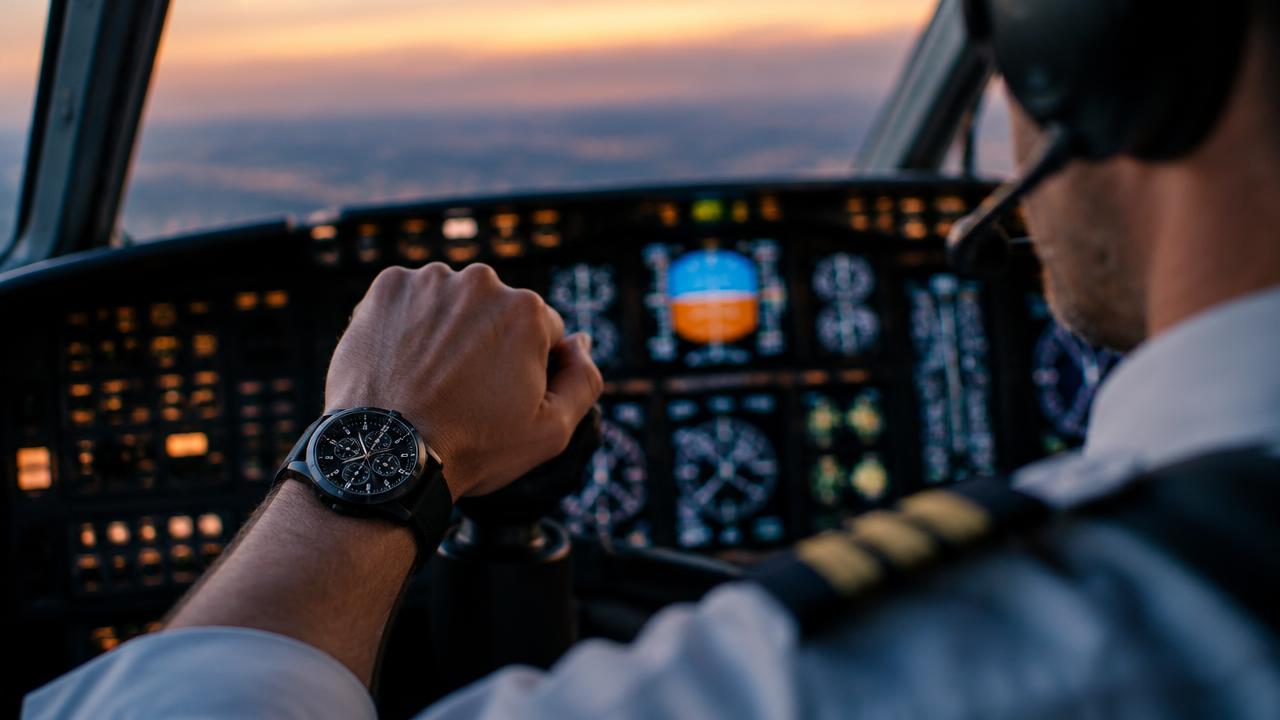
- Pilot/Aviation: Chronographs with slide rule bezels or telemeter scales (Breitling Navitimer, vintage military chronographs).
- Dress/Formal: Thin, elegant chronographs (Longines Column Wheel, Breguet Type XX, A. Lange & Söhne Datograph).
Step 5: Check for Certifications (Optional)
- COSC Chronometer: Swiss certification for accuracy (-4/+6 seconds per day). Found on Omega Speedmaster, Breitling Navitimer, some TAG Heuer models.
- METAS Master Chronometer: Swiss certification for accuracy and magnetic resistance (0/+5 seconds per day, 15,000 gauss). Found on Omega Speedmaster Master Chronometer, Omega Seamaster.
- Rolex Superlative Chronometer: Rolex's in-house certification for accuracy (-2/+2 seconds per day) and magnetic resistance. Found on Rolex Daytona, Rolex Submariner, etc.
💡 Note: Certifications are optional but indicate higher accuracy and quality. They add to the price but provide peace of mind for precision.
7. Common Myths About Chronographs
Let's debunk some common misconceptions:
Myth 1: "Chronographs are too complicated to use."
- Reality: Chronographs are simple to use: press top pusher to start/stop, bottom pusher to reset. Most people learn in under a minute.
Myth 2: "Chronographs are only for racing or sports."
- Reality: While chronographs originated for racing and aviation, modern chronographs are versatile and suitable for everyday wear, dress, diving, and travel.
Myth 3: "Chronographs are less accurate than regular watches."
- Reality: Quartz chronographs are just as accurate as quartz time-only watches (±15 sec/month). Automatic chronographs are slightly less accurate than automatic time-only watches due to the added complexity, but still within acceptable ranges (±5–10 sec/day).
Myth 4: "Chronographs are too expensive."
- Reality: Chronographs range from $80 (Timex Weekender) to $120,000+ (A. Lange & Söhne Datograph). There are excellent options at every budget.
Myth 5: "Chronographs are bulky and uncomfortable."
- Reality: While chronographs are thicker than time-only watches due to the added complication, modern designs (e.g., Omega Speedmaster, TAG Heuer Carrera) are well-proportioned and comfortable for daily wear. Try on different models to find the right fit.
8. The Future of Chronographs (2027 and Beyond)
Chronographs continue to evolve with new technologies and materials.
- High-Frequency Movements: Zenith El Primero (5 Hz, 36,000 vph) and Bulova Precisionist (262 kHz quartz) offer ultra-smooth sweep seconds hands and higher accuracy.
- In-House Movements: More brands are developing in-house chronograph calibres (Rolex 4130, Omega 9900, Breitling B01, Zenith 3600) for better quality and prestige.
- Smart Chronographs: Hybrid smartwatches (e.g., TAG Heuer Connected, Garmin Fenix 8) combine traditional chronograph functions with smart features (GPS, health tracking, notifications).
- Sustainable Materials: Brands are exploring eco-friendly materials (recycled steel, titanium, ceramic) for chronograph cases and bracelets.
💡 Bottom Line: Chronographs remain one of the most popular and versatile watch complications, blending functionality, prestige, and design.
9. In Summary: What is a Chronograph Watch?
A chronograph watch is a timepiece with a built-in stopwatch function, allowing you to measure elapsed time intervals while still displaying the current time.
Key features include:
- Pushers (usually at 2 and 4 o'clock) to start, stop, and reset the chronograph.
- Sub-dials to track elapsed minutes and hours.
- Central chronograph hand to measure elapsed seconds.
💡 Final Advice: The best chronograph is the one that fits your budget and lifestyle. For everyday wear, a quartz or meca-quartz chronograph ($100–500) is practical. For prestige and long-term value, an automatic chronograph ($1,000–10,000+) is ideal.